|
2013
|
||||||||||||||||
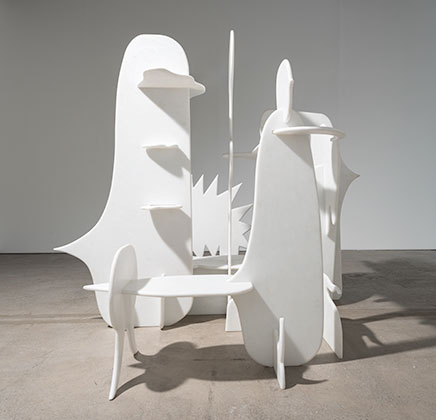
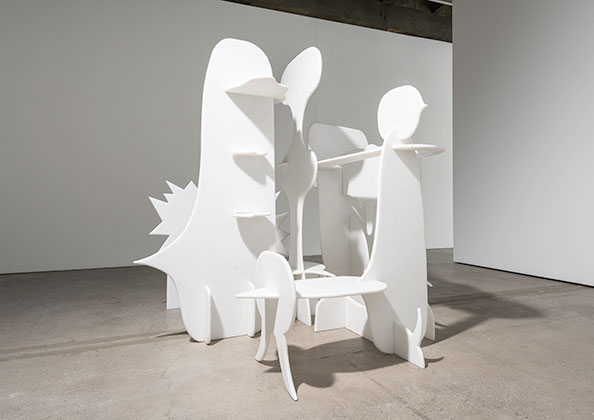
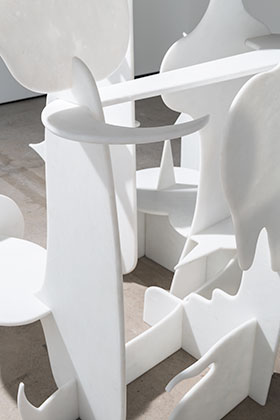
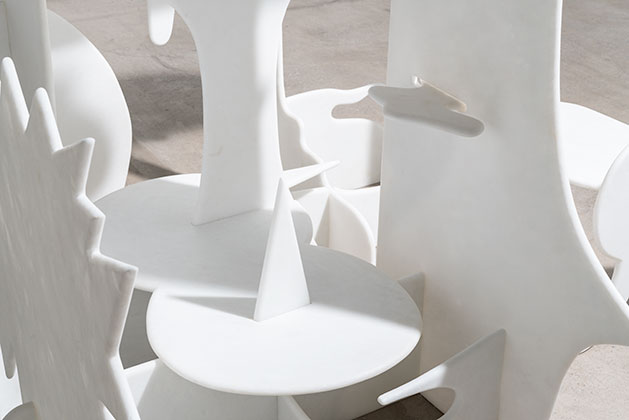
A series of speech bubbles
interlocks in the style of a house of cards. Made in marble, these
shapes represent voices, opinions, languages, and emotions. A pop
allegory of polyphony: whispers or shouts, transmissions or
interjections, they support each other as an architecture of speech.
|
Wednesday, 4 February 2015
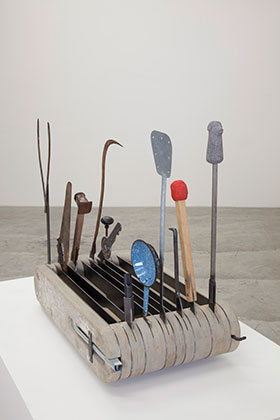
marble slabs : Pedro Reyes

Tuesday, 3 February 2015

Monday, 2 February 2015
Marian Bantjes : Beyond Pretty Pictures
http://www.brainpickings.org/2013/11/04/marian-bantjes-pretty-pictures/
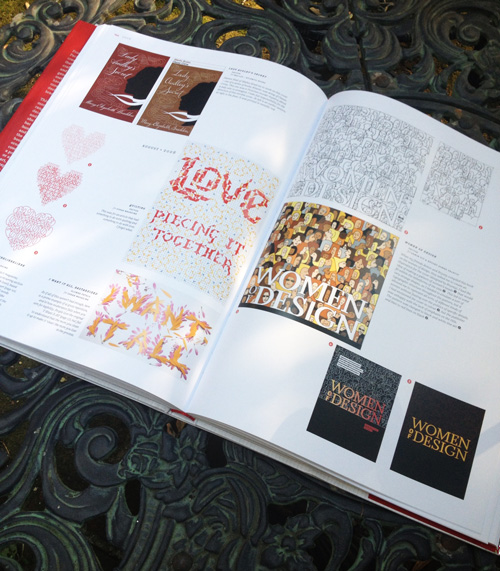
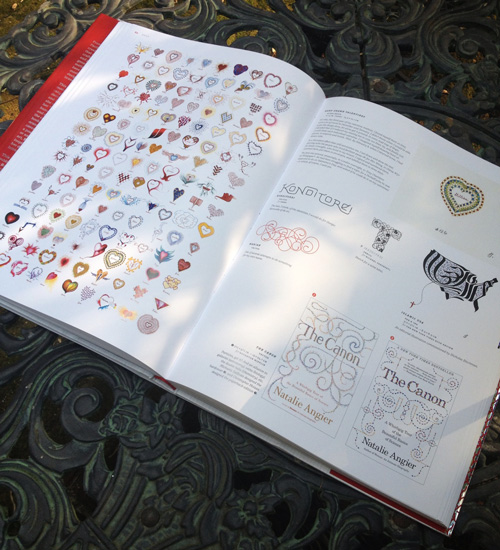
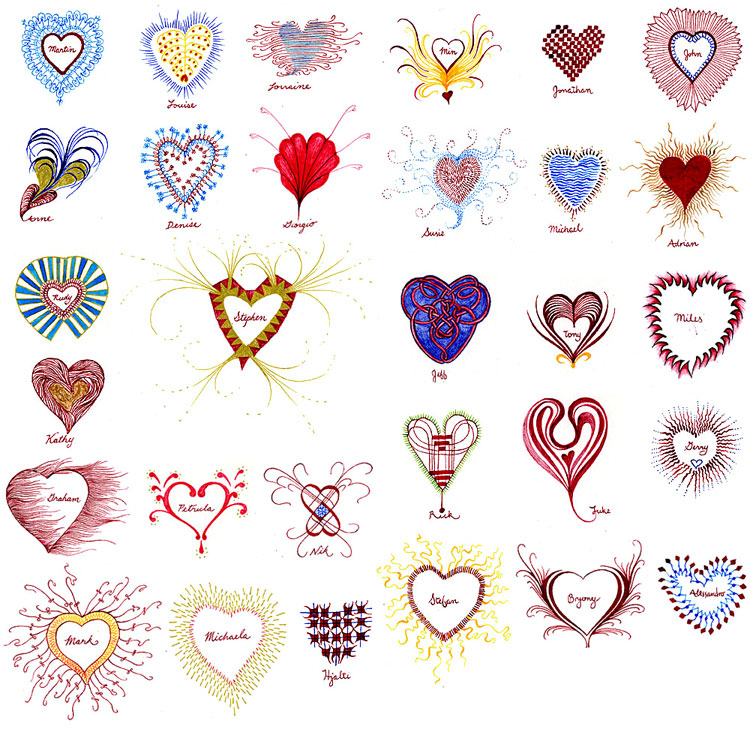
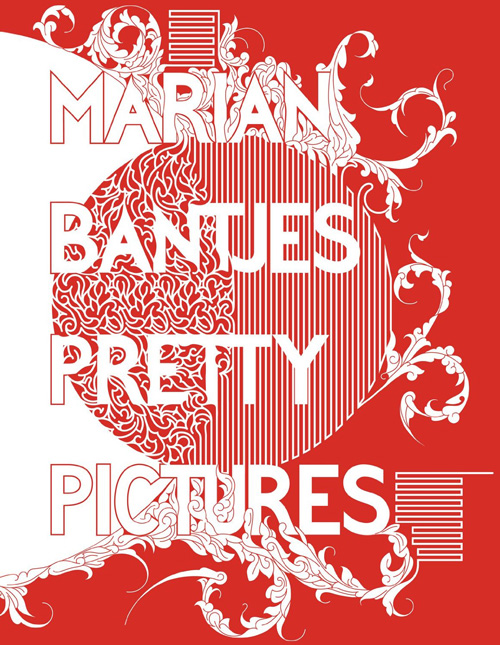 In 2010, celebrated graphic artist and designer Marian Bantjes
— fairy godmother of exquisite typographic magic, whose influence so
clearly reverberates through the work of such design-darling wunderkinds
as Jessica Hische — gave us the glorious I Wonder. Now, Bantjes is back with Pretty Pictures (public library)
— a magnificent and monumental six-pound monograph that is, of course,
far more than what the irreverently literal title suggests, inviting us
into a life’s-work wonderland of enchantment, beauty, thoughtfulness,
opinionation, and imaginative defiance of convention.
In 2010, celebrated graphic artist and designer Marian Bantjes
— fairy godmother of exquisite typographic magic, whose influence so
clearly reverberates through the work of such design-darling wunderkinds
as Jessica Hische — gave us the glorious I Wonder. Now, Bantjes is back with Pretty Pictures (public library)
— a magnificent and monumental six-pound monograph that is, of course,
far more than what the irreverently literal title suggests, inviting us
into a life’s-work wonderland of enchantment, beauty, thoughtfulness,
opinionation, and imaginative defiance of convention.
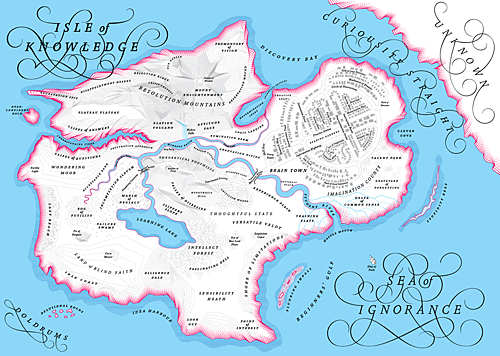
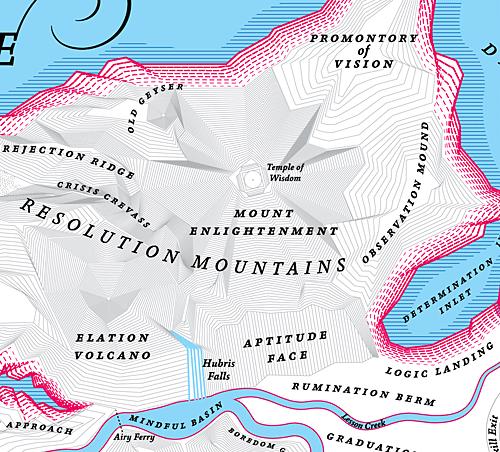
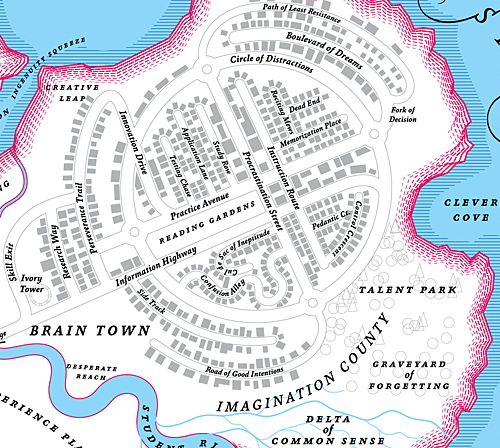

Reflecting on her signature style of bridging the refined elegance of the past with the exponentially evolving self-invention of the present, Bantjes, feisty as ever and capable of deploying the word “splorp” with such infinitely delightful precision, considers her own journey amidst a culture of oppressive and unimaginative fads:
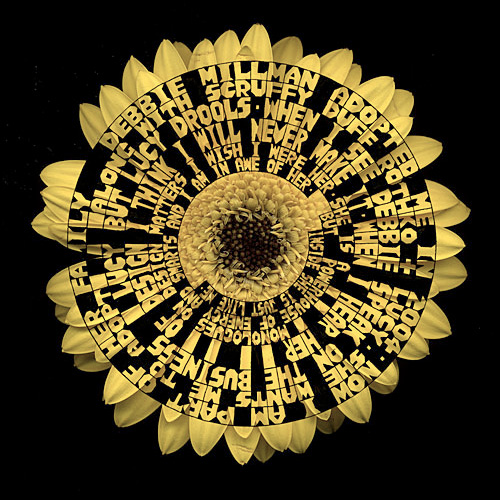
Known for her intricate designs of deliciously challenging legibility, Bantjes considers this a part of the creative game:
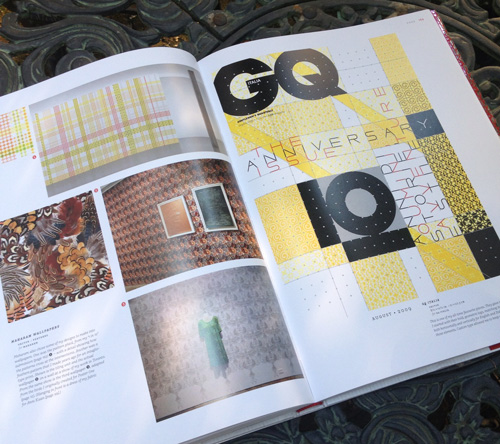
Bantjes offers her seven criteria for what makes desirable design:
Echoing Debbie Millman’s assertion that “lives are shaped by chance encounters” and Steve Jobs’s famous anecdote of how he stumbled into a typography class that led him to forever change the face of computing, Bantjes recounts the serendipitous circumstances of her plunge into design — which involved walking into a second-hand bookstore to get change for the bus and encountering a small, handwritten ad for a job in a publishing company —
flower aphabets?
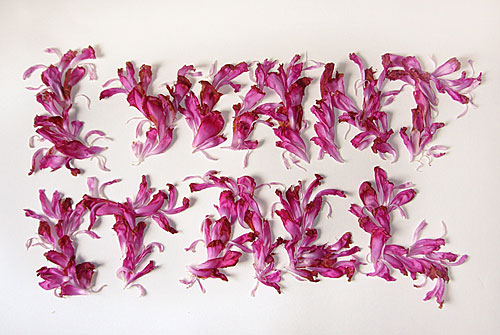
Pretty Pictures is absolutely stunning, at once a treasure trove of visual mesmerism and a fascinating glimpse into one of the most singular, inventive, and influential minds in contemporary design.
Beyond Pretty Pictures: Marian Bantjes on Serendipity, Success, and the Whimsy of Design
“If you have something of interest to say, it’s OK
to make people work for it. … It makes them feel triumphant when they
succeed.”
In 2010, celebrated graphic artist and designer Marian Bantjes
— fairy godmother of exquisite typographic magic, whose influence so
clearly reverberates through the work of such design-darling wunderkinds
as Jessica Hische — gave us the glorious I Wonder. Now, Bantjes is back with Pretty Pictures (public library)
— a magnificent and monumental six-pound monograph that is, of course,
far more than what the irreverently literal title suggests, inviting us
into a life’s-work wonderland of enchantment, beauty, thoughtfulness,
opinionation, and imaginative defiance of convention.by Maria Popova
Reflecting on her signature style of bridging the refined elegance of the past with the exponentially evolving self-invention of the present, Bantjes, feisty as ever and capable of deploying the word “splorp” with such infinitely delightful precision, considers her own journey amidst a culture of oppressive and unimaginative fads:
I first became known for my interest in ornament and, if you will, fancy curves and elegant lines married to contemporary shapes: pixels and squares and geometric forms. I have never tried to recreate the past: the past was already done well. But I wanted to resurrect motifs that had been abandoned by modernism and the pseudo-modernist culture of contemporary design, without being nostalgic. I was at the beginning of a movement that rose like a wave and quickly crashed over us in a splorp of thoughtless ornamentation. In a way, ornamentation was undone in the 21st century by the same mechanization that undid it in the 19th. The Victorian era was known for the proliferation of a morass of printed ornament parts that were used and combined willy-nilly and to excess by mass-production printers. The neo-decorative movement of the past decade was similarly glutted by a laying-on of clipart curves, sprayed flowers and the vomit of organic shapes that poured out of digital paintbrushes. For the few of us who were genuinely interested in exploring the marriage of old and new, and in resurrecting and perfecting a purity of form, it was already too late. Curves and swirls are over, man. They were trampled in the digital, faddish stampede without so much as a glance towards quality or invention. Very few people seem to have an eye for a good curve, fewer still the ability to make one. Despite the genuine pleasure I still get in creating the loop-de-loop, I blocked off the arabesques quite soon — my interests were broader and more complex.
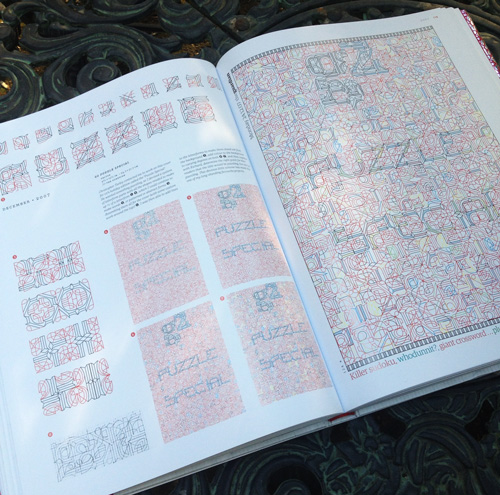
Known for her intricate designs of deliciously challenging legibility, Bantjes considers this a part of the creative game:
I strongly feel that if you have something of interest to say, it’s OK to make people work for it. People enjoy using their brains, figuring things out. It makes them feel triumphant when they succeed.
Bantjes offers her seven criteria for what makes desirable design:
- It should arrest and hold attention.
- It should then invoke curiosity.
- It should surprise.
- It should invoke wonder.
- It should bring joy.
- It should be memorable.
- Bonus points if it’s funny.
Echoing Debbie Millman’s assertion that “lives are shaped by chance encounters” and Steve Jobs’s famous anecdote of how he stumbled into a typography class that led him to forever change the face of computing, Bantjes recounts the serendipitous circumstances of her plunge into design — which involved walking into a second-hand bookstore to get change for the bus and encountering a small, handwritten ad for a job in a publishing company —
As an atheist, I’m not comfortable with the notion of fate, but looking back over anyone’s life, it’s possible to see those turning points, those key twists in life that turn some random act of everyday living into a crossroad.
[…]
There is no formula for success: no way to say first you do this, then that, then this. Shit happens. Shit happens to you and because of you and around you, and in the end you find yourself in some place you never expected to be.
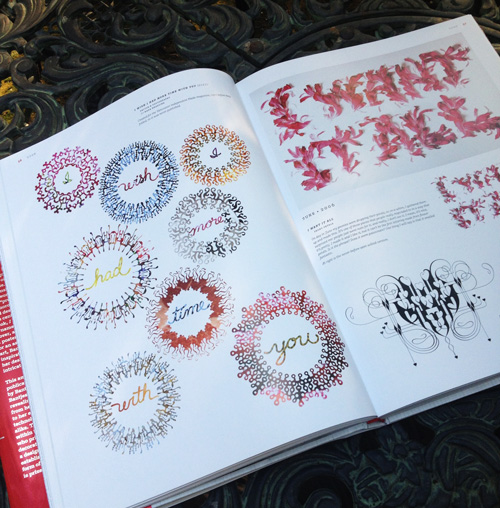
flower aphabets?
Pretty Pictures is absolutely stunning, at once a treasure trove of visual mesmerism and a fascinating glimpse into one of the most singular, inventive, and influential minds in contemporary design.
Nick Pugh : The future of painting; Laura Hollick : Soul Art Shaman
https://www.youtube.com/watch?v=Rhhyc8yFfMQ
The Future of Painting : ipad
The Future of Painting : ipad
You are the art: Laura Hollick at TEDxHamilton
What's wrong with contemporary art: Jane Deeth at TEDxHobart :: Contemporary Art
What's wrong with contemporary art: Jane Deeth at TEDxHobart
https://www.youtube.com/watch?v=Hjh7b5yP2Vc
easy to listen to , fun, way to see Contemporary Art,
maybe you will change your opinion about your bed, bedroom even.
It made me love my home more than ever.
Each time I go visit somebody and come home, I often think how could i invite somebody to stay w me when my home is so intimately related to my way of living? I dont have a "showroom" type of house. But i like my home the way it is. I dont like to put things away - i like having everything all over the place within reach - with distractions ready for just-in-time use... etc. etc.
Here is a woman who makes a speech about contemporary art as a professional and I enjoy my home even more than before her talk, so i think its so valuable. She helps me present the side that's not understood to some people, or conversely speaking, she shows me/ and others how to make new references so others could make a link to my lifestyle more easier.
Isnt that great?
https://www.youtube.com/watch?v=Hjh7b5yP2Vc
easy to listen to , fun, way to see Contemporary Art,
maybe you will change your opinion about your bed, bedroom even.
It made me love my home more than ever.
Each time I go visit somebody and come home, I often think how could i invite somebody to stay w me when my home is so intimately related to my way of living? I dont have a "showroom" type of house. But i like my home the way it is. I dont like to put things away - i like having everything all over the place within reach - with distractions ready for just-in-time use... etc. etc.
Here is a woman who makes a speech about contemporary art as a professional and I enjoy my home even more than before her talk, so i think its so valuable. She helps me present the side that's not understood to some people, or conversely speaking, she shows me/ and others how to make new references so others could make a link to my lifestyle more easier.
Isnt that great?
Subscribe to:
Posts (Atom)